There is a specific kind of craving that hits differently. Not hunger, exactly. Something more particular. The kind where your mind locks onto one thing, and nothing else will do. That is what Qeema Naan does to people in Pakistan. It sits at the intersection of centuries-old tandoor tradition and the bold, spiced boldness of desi cooking, and once you have had it fresh from a live fire, nothing else compares.
This is not just flatbread. It is a meal, a cultural marker, and in cities like Lahore, almost a religion.
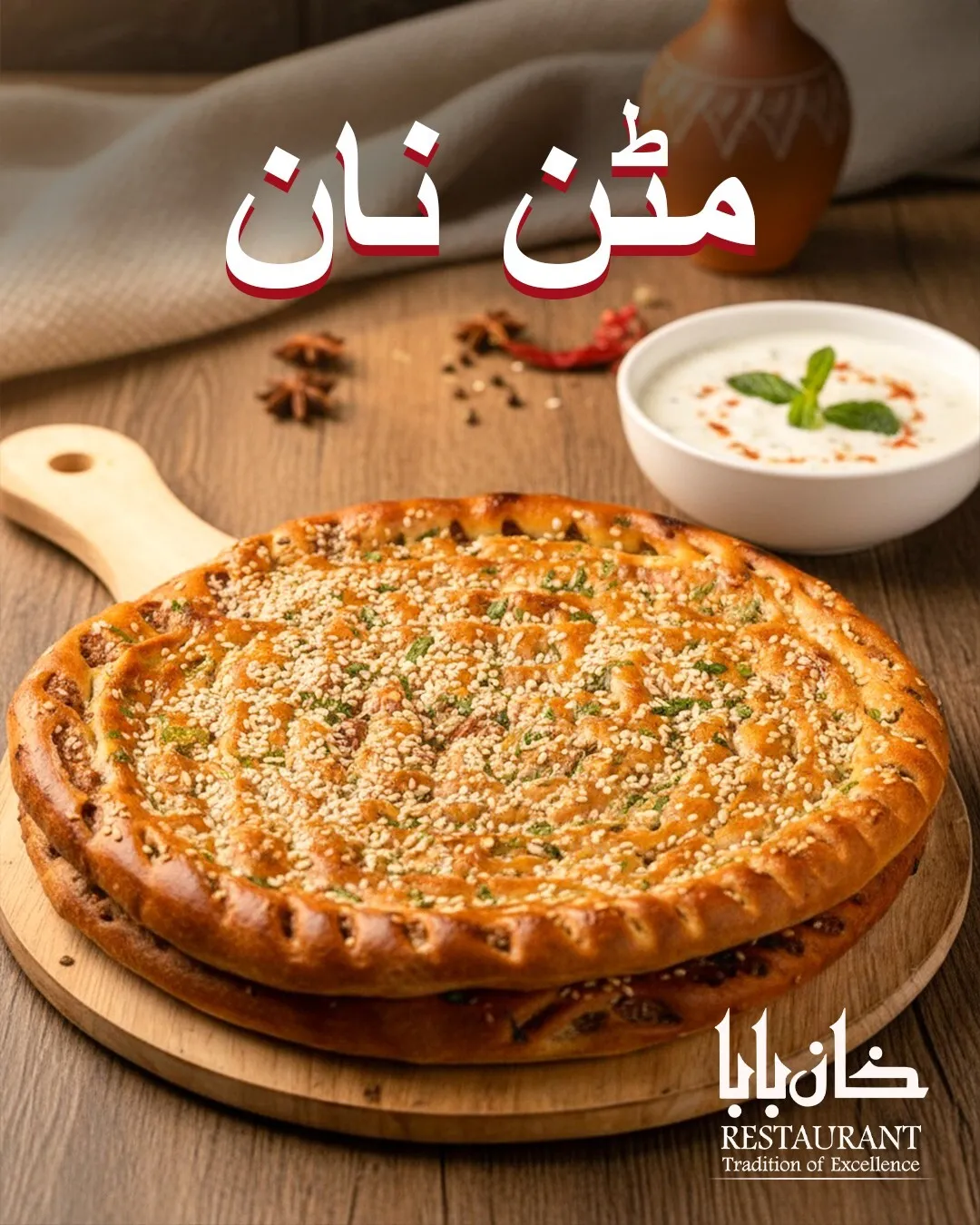
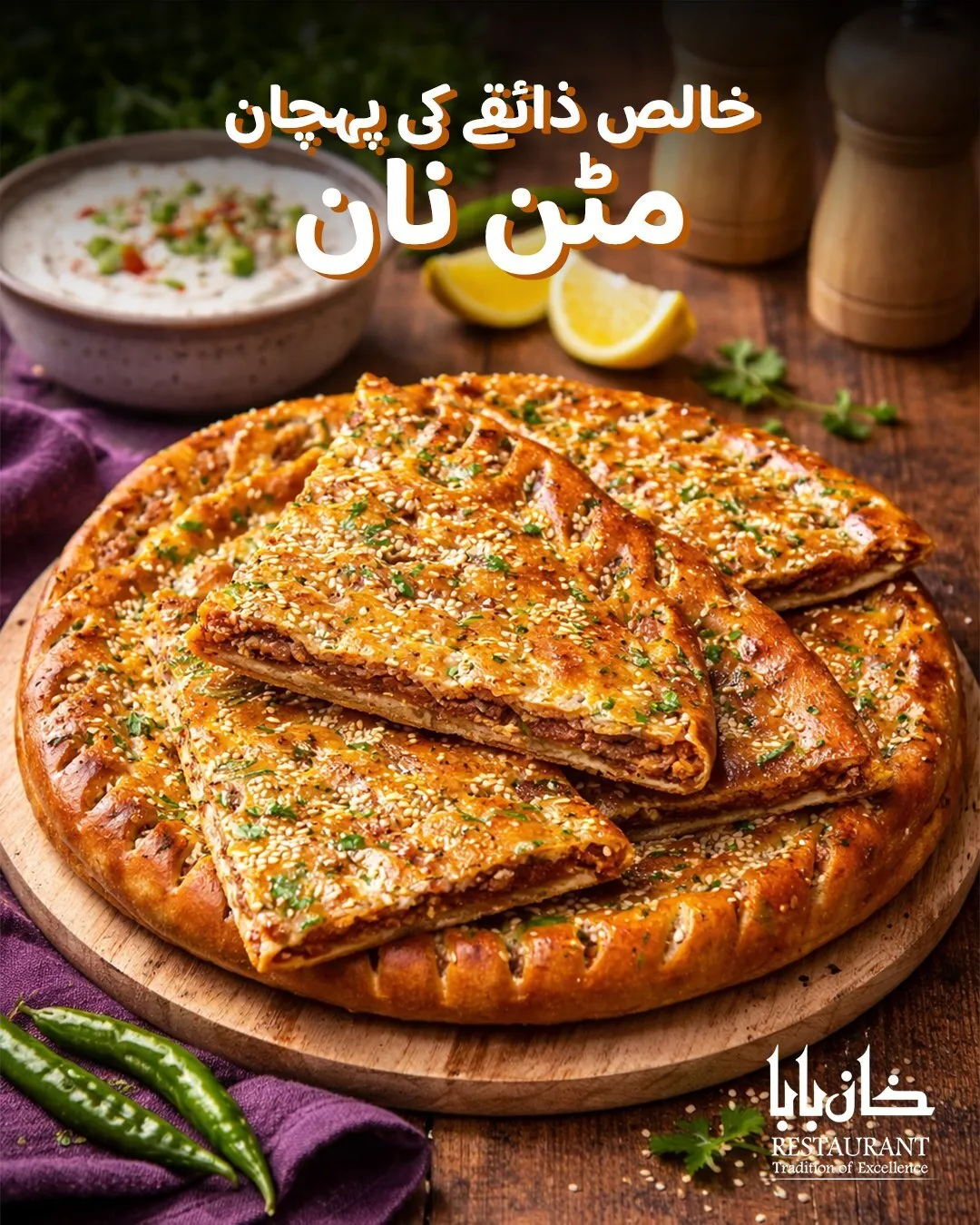
Qeema Naan is a stuffed naan made with seasoned minced meat sealed inside leavened dough, then slapped directly onto the inner walls of a clay tandoor and cooked at scorching temperatures.
The outside blisters and chars slightly at the edges. The inside stays moist, spiced, and almost steaming when you tear into it. Since the naan has a heavy filling, you can eat it as a complete meal on its own.
The two most common varieties you will find across Pakistan are:
At Khan Baba, both versions are available. The Chicken Naan and the Mutton Naan. Both are made the traditional way, which is the only way worth caring about.
Qeema Naan did not appear overnight. It has a lineage that runs deep.
The earliest mention of naan in this region comes from the memoirs of the Indo-Persian Sufi poet Amir Khusrau in the 1300s AD. He describes two types served to Muslim nobles: Naan-e-Tunuk, a light, thin bread, and Naan-e-Tanuri, a heavier bread baked in the tandoor.
When naan was passed down through the Mughal era, it was served in the royal court alongside kebabs and qeema. Back then, it was food for the nobility. The tandoor was not accessible to everyone, and neither was the skill to use it.
A decade before Partition, some Lahori tandoor shops were among the very first to sell qeema and other stuffed naans commercially. Today, Qeema Naan is everywhere across Pakistan. But not all of it is made with the same care. Khan Baba in Lahore understands that gap, which is why their tandoor menu reflects a standard shaped by decades of desi cooking, not shortcuts.
There is no one correct answer here, but there are some pairings that work better than others.
Yes. Qeema and Keema are the same word differently. Both refer to seasoned minced meat stuffed inside leavened dough and baked in a tandoor.
Absolutely. In Pakistani food culture, Qeema Naan is a recognised breakfast dish, often eaten with yoghurt. In Lahore, especially, morning Qeema Naan is as normal as paratha for most desi households.
Stuffed Naan is the broader category. Any naan filled with something qualifies as stuffed naan. Qeema Naan is specifically stuffed with minced meat filling.
It depends entirely on preference. Mutton has more depth of flavour. Chicken is lighter and takes spice well. Both are valid. Khan Baba offers both, so you do not have to choose just one.
Khan Baba's website (khanbabapk.com) offers online ordering for both their Chicken Naan and Mutton Naan from our tandoor menu.